Brian’s Notes If you’re an engineer
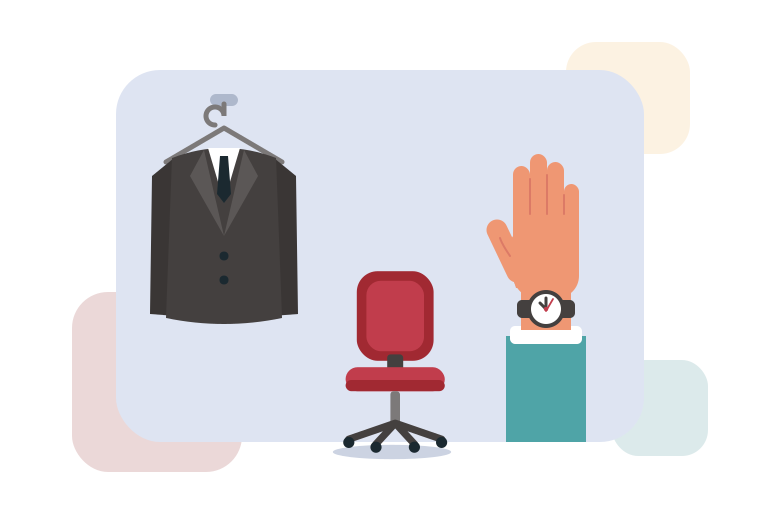
Interview don’ts.
And the one thing to do before you leave the room.
Most interview advice is a list of things you already know. Prepare. Be on time. Follow up.
So here’s the other list: the don’ts. They’re small things, and I’ve watched every one of them cost a strong engineer an offer they should have won. At the end is the one thing almost nobody does.
What should I wear?
Don’t overdo it, and don’t underdo it. You rarely need a suit to interview with an engineering team; it can look like you wandered in from a different job. But your favorite faded T-shirt doesn’t say “ready to work,” either.
Aim one notch above what the team wears. Their website and photos usually give you a hint. On video, the rule still applies from the waist up. From the waist down is between you and your camera angle.
Where do video interviews go wrong?
Before you say a word. Don’t let the technology be your first impression.
Test your camera, your microphone and the link ahead of time. Find a quiet spot with decent light, put the camera near eye level, and close anything that pings. Join a minute or two early. And look at the camera now and then, not only at the faces. It’s the closest thing to eye contact you’ve got.
Can I talk about my side projects?
Of course. They often say a lot about you, and plenty of hiring managers love hearing about them.
Just don’t light up more about your weekend project than about their company. If they get the feeling you want something stable to fund your real passion, they’ll pass. And remember: if you take this job, the side project stays on the side.
How late is too late?
Any. Arrive a little early in person, and be on time to the minute on video. A relaxed team is still serious about time, and starting late tells them how you’ll treat theirs.
How confident is too confident?
There’s a fine line between confidence and arrogance, and it’s easy to cross when you’re good. Talk about what you’ve built and show your work; that’s exactly what they want to hear. Just don’t act like the smartest person in the room. There are smart people on the other side of the table, too.
If you really are the strongest engineer there, show them you’d be a generous teacher. (More on that in The best engineer in the room makes everyone better.) Every time a strong engineer gets passed over for attitude, it’s a loss for everyone.
Should I play the part they want?
Don’t pretend to be someone you’re not. Fit matters, especially on a small team where you’ll spend a lot of hours together. Perform a version of yourself and you might get the job, then hate it. Be yourself, and you’ll find out whether this is a place you’d actually be happy.
What’s the one thing to do before I leave?
Ask for the job.
An interview is a lot like a sale. You prepared, you made your case and you handled the hard questions. None of it counts if you don’t close. Before the conversation ends, say it plainly: “I’d love to work here, and I hope you’ll make me an offer.” No grand speech needed, whatever the movies say.
It removes the one doubt you can’t afford to leave behind: whether you really want it. Nobody interviews for fun. You came for the job, so ask for it.
The short version
- Dress one notch above the team, on camera too.
- Test the tech, and be on time.
- Love your side project quietly.
- Be confident, not arrogant.
- Be yourself.
- Before you go, ask for the job.
The interview isn’t over until you’ve asked. So ask.
Got an interview coming up?



 I read these myself. Jonathan Soo Hoo, my partner at Mirror, does the first outreach on some searches; if you hear from him, that’s why.