Brian’s Notes If you’re an engineer

How to tell your boss you’re leaving.
And keep the bridge standing.
There’s a moment, usually right before the meeting, when you rehearse it one more time. In the car, or at the kitchen table ten minutes before the video call. “Do you have a minute?”
You’ve signed somewhere new. You’re excited. And there’s one conversation left between you and the next chapter. Most people overthink it. A few underthink it. Here’s how to do it well.
Who should hear it first?
Your boss. Not your favorite teammate, not the group chat, not a hint on LinkedIn. Your boss should never learn you’re leaving from someone else. It’s a small courtesy, and it’s remembered.
Tell them in person if you can, or on video if you’re remote. Not by email, and not in a chat message. A hard conversation deserves a face.
What do I actually say?
Less than you think. You’ve accepted a role somewhere else. Here’s your last day. You’re grateful for what you’ve learned and for the people you’ve worked with. Say thank you, and mean it. There’s almost always something to be thankful for.
And don’t vent. This isn’t the moment to list everything that went wrong. If there’s honest feedback worth giving, there’s usually a better time for it and a kinder way to say it. Nobody looks back and wishes they’d been less gracious on the way out.
Should I decide everything before I walk in?
Yes. Have the new offer signed before you say a word. And walk in knowing you won’t entertain a counteroffer. If your boss asks what it would take to keep you, you can say thank you, and that you’ve made your decision.
That isn’t stubbornness. It’s kindness, to them and to you. I wrote about why in Don’t take the counteroffer.
How do I leave well?
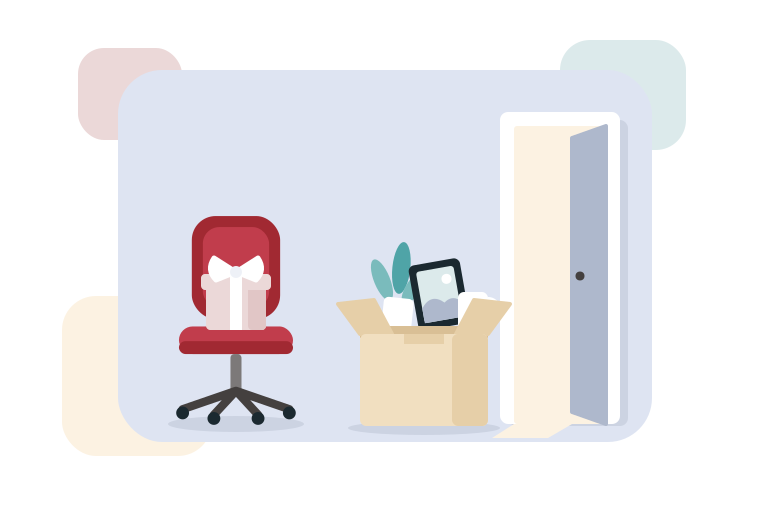
With a clean handoff. Give real notice, the kind that lets your team plan instead of scramble. Write things down: what you own, how it works, what tends to break and how you fix it. Offer to help train whoever takes over your work, even if they start after you’ve gone.
Then keep doing good work right up to the last day. Your last weeks are what people remember. Make them good ones.
Why does it matter so much?
Because people come back around. The boss you’re leaving might hire you again someday. Or you might end up hiring her. The teammate who inherits your code might be the one who recommends you, years from now, for a job you’ll love.
Engineering is a smaller world than it looks. A bridge you keep standing today is one you may well cross again.
The short version
- Tell your boss first, in person or on video.
- Keep it short and grateful. Don’t vent.
- Decide before you walk in: the new offer signed, and no counteroffer.
- Leave a clean handoff: real notice, things written down, help for whoever’s next.
- People come back around. Keep the bridge standing.
Leave the way you’d like to be remembered, because you will be.
Deciding whether to make the move?

 I read these myself. Jonathan Soo Hoo, my partner at Mirror, does the first outreach on some searches; if you hear from him, that’s why.