Brian’s Notes If you’re an engineer
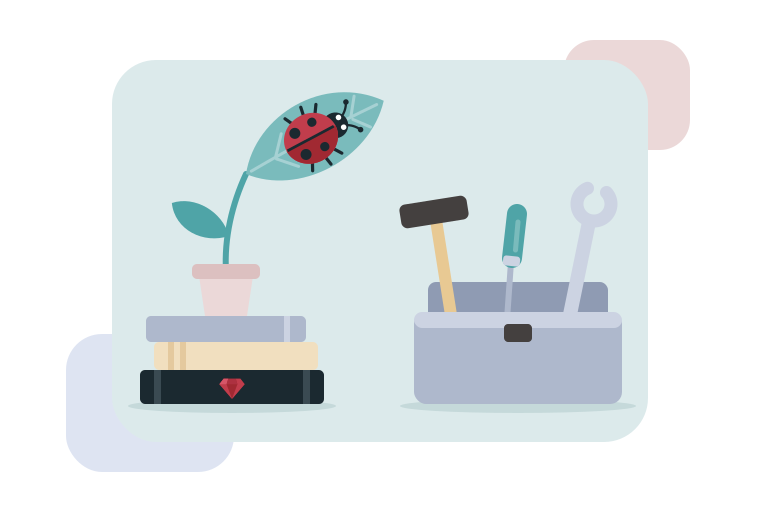
Specialization is for insects.
Why the best engineers keep learning.
Here’s a small test. How do you tie your shoes?
The same way you learned when you were five or six, I’d bet. It turns out there are lots of ways to tie a shoe, and at least one, the Ian Knot, is quite a bit faster. Most of us will never try it. The old way works, so we stop looking.
We do the same thing with our code, and with our careers. We set things up the way we always have, because it’s familiar. Usually that’s fine. Sometimes there’s a better knot, and we never find out.
Where does the title come from?
Robert Heinlein, the science fiction writer. In one of his novels he lists what a capable person ought to be able to do, from looking after a baby to commanding a ship to writing a poem, with programming a computer tucked in among them. The list ends with four words: “Specialization is for insects.”
I’ve loved that line for years, and it’s how I think about the engineers I work with.
What do I mean by a full-stack athlete?
Back when every engineer I placed wrote Ruby on Rails, the good ones were never only Rails engineers. They’d written other languages, argued about other ways to test, and could tell you when Rails was the wrong tool for the job.
That’s what I still look for. I call them full-stack athletes: engineers who are deep in one stack and still learning the ones around it. Like an athlete who’s great at one position and still trains as if they might play another tomorrow.
It doesn’t mean you need to know everything. Nobody does. It means you’re still curious.
Does this mean I shouldn’t specialize?
Not at all. Go deep. Depth is what gets you hired. Some of the engineers I respect most have spent their whole careers in one language.
But they read widely. They know what’s happening next door. Depth gets you hired. Range keeps you hired.
What’s the example today?
AI is the obvious one. The engineers who are doing well with it didn’t throw away what they knew. They’re strong in their own stack, and they got curious early: they tried the tools, learned where they help and where they don’t, and kept going.
There will be another next thing after this one. There always has been. The habit that matters is the curiosity, not the particular tool.
How do I keep learning without burning out?
You don’t need a second job. A few small habits go a long way:
- Learn next door. The layer above or below yours: the front end if you’re on the back end, the infrastructure underneath, the data.
- Build a small side project with a tool you don’t know, on purpose.
- Read code from a community you don’t belong to. You’ll steal at least one good idea.
- Work alongside someone who does it differently. Ask why.
- Question one habit now and then. Even your shoelaces.
What does a hiring manager see?
When I describe an engineer to a hiring manager, range shows up as judgment. No single framework is right for every problem. The engineer who knows a few can pick the one that fits, and explain why the others don’t.
That’s worth more than one more framework on a résumé.
The short version
- Go deep in one stack. Keep learning the ones next to it.
- Range shows up as judgment: picking the right tool for the problem.
- AI is today’s reason to stay curious. There’ll be another.
- Small habits beat big plans. Question one thing now and then.
Heinlein was right about the insects. You were built for more than one job.
Deep in one stack and curious about the next?

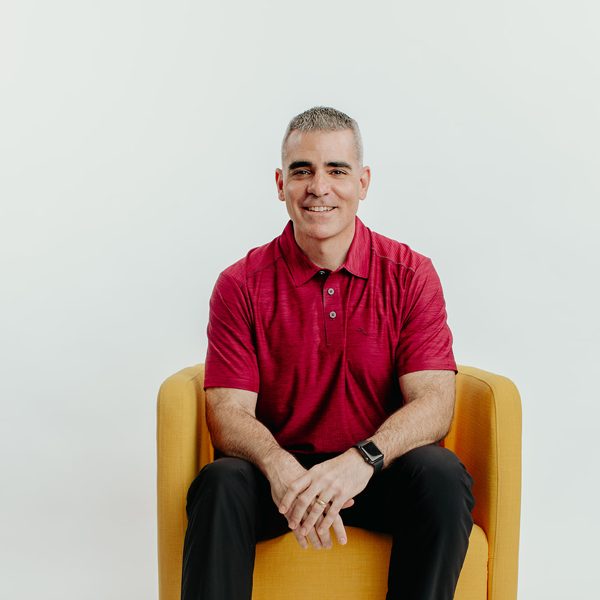 I read these myself. Jonathan Soo Hoo, my partner at Mirror, does the first outreach on some searches; if you hear from him, that’s why.